
Independent research and three levels of government recognize this model.
Outcomes, recognition and cost-effectiveness across our buildings, summarized for journalists, partners and funders.
Key results across our sites.
Recognized as a scalable model by researchers and policymakers.
Aging in the Right Place Study
Promising practice for keeping seniors in supportive, community-rich housing.
sfu.ca/airp/research →Seniors Housing Crisis Report
Effective model for combatting senior homelessness in Metro Vancouver.
uwbc.ca →Pilot project recognition
Scalable model and solution to the seniors housing crisis.
bchousing.org →September 2022 feature
“Project helps low-income B.C. seniors” — Lori Culbert.
vancouversun.com →Annual per-person cost across four settings.
Same person, same year, compared across hospital care, assisted living, homelessness and our model.
“Being proactive is 95% more cost-effective and 100% more dignifiedthan being reactive.”
Sources: Average per-day costs from BC Health, BC Housing, and the Metro Vancouver Homeless Count. WWH per-tenant cost from 2024/25 pilot budgets.
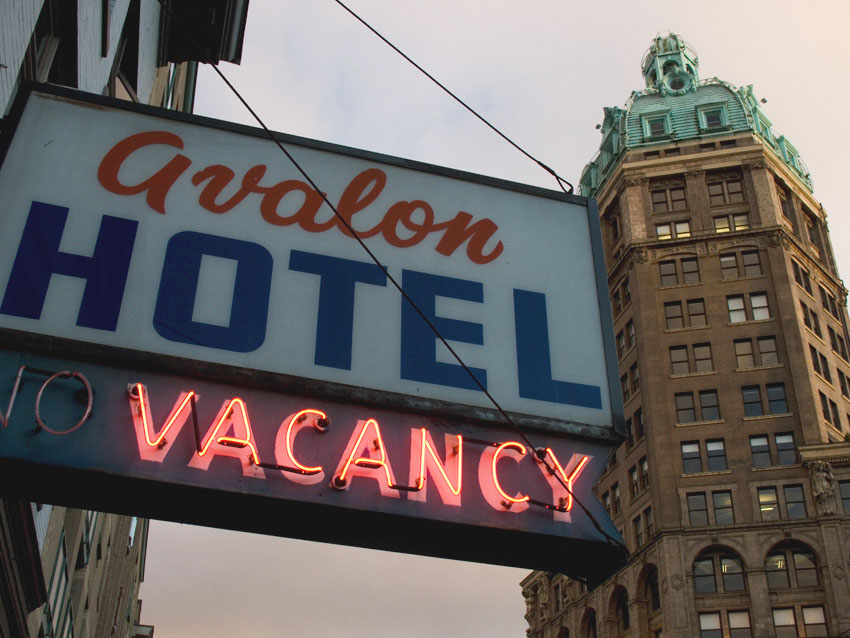
Avalon Hotel, 2010 to 2014.
In 2010 the Avalon Hotel was the busiest 911 address on its block. By 2014, infractions had fallen 98% and 911 calls had fallen 90%.
What changed?
Daily community programming. One-on-one support. Boundaries clearly held. A staff member at the front desk who knew every resident's name.
Infractions fell 98%. Police incidents fell 84%. The block changed.